
Individual therapy sessions
Individual sessions are largely determined by you and your goals for therapy.
Reasons you may be seeking therapy:
Identity & life transitions
Processing experiences of abuse
Interpersonal relationships
Exploring the Neurodivergent experience
Chronic conditions causing depression, anxiety or anger
Increasing self esteem or empathy
Emotional regulation or SI (passive)
Exploring power dynamics
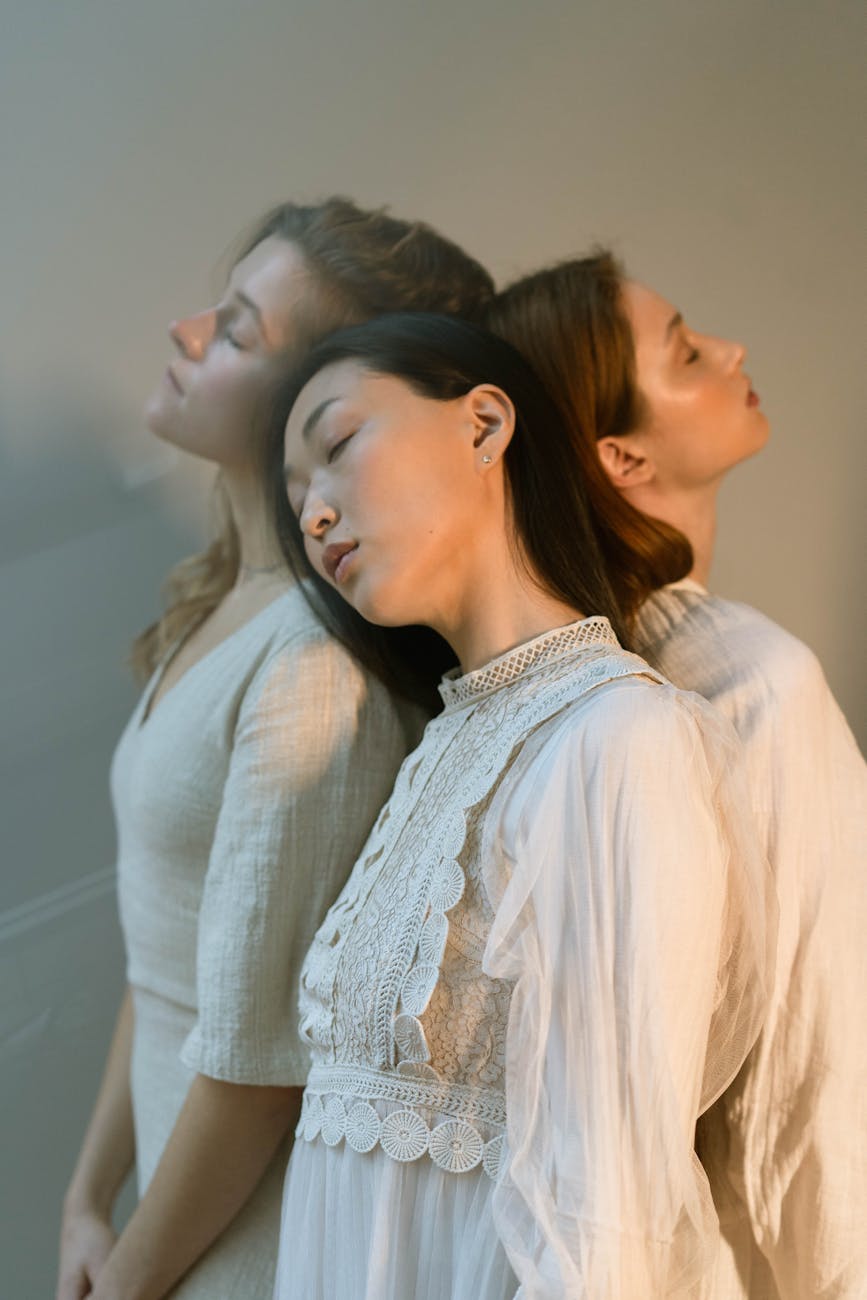
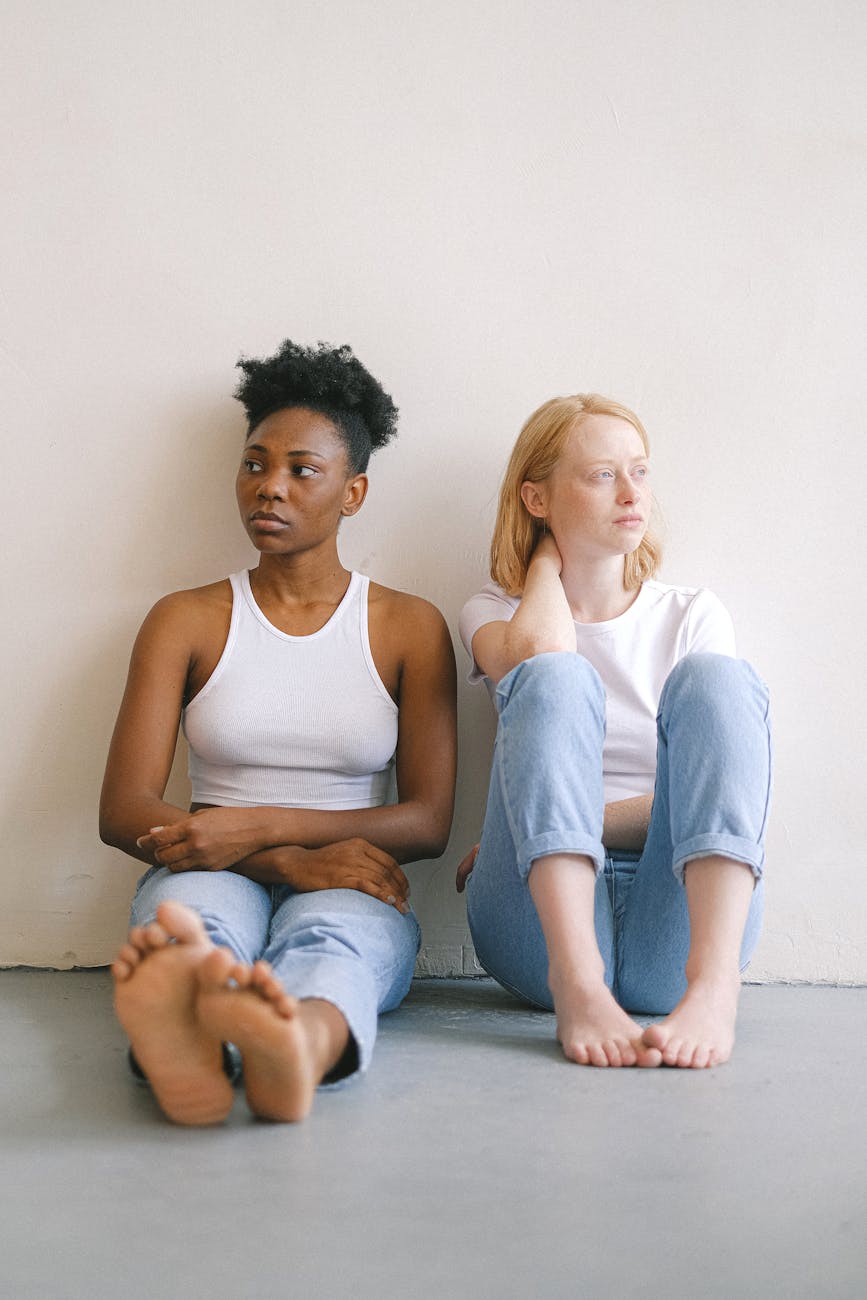


Group therapy sessions and limited series
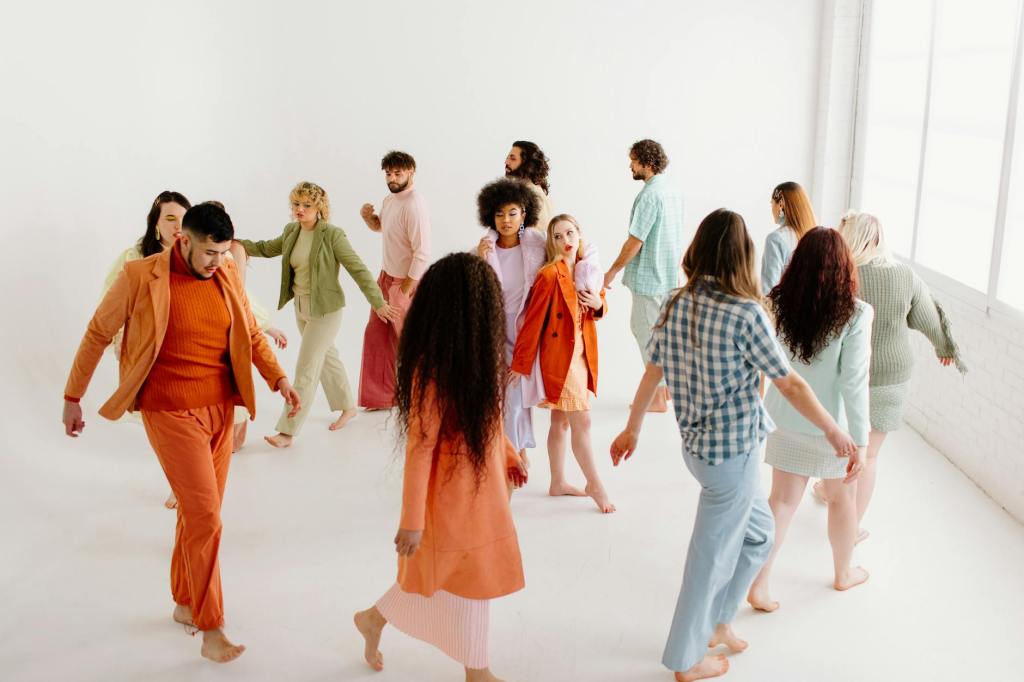
Group sessions at Think Joy Drama Therapy are a great place to practice authentic communication about your needs and desires with others in a supportive environment.
Groups may feel intimidating. Creative processing groups are also a bit different to support groups in that there is not likely to be a set theme or diagnosis required to join.
Add to that.. Drama? Poetry? Group therapy here is not a performative space, but rather, a space to practice trying out new things and to embrace vulnerability as a pathway towards reclaiming joy and offer an opportunity to heal in relationship.
Groups can be a good ‘mental wellness’ activity on their own, attended for the purpose of self-care and self- exploration of personal needs and desires.
They can also be powerful healing spaces for deeper work.
Individual therapy* can be a great compliment to group therapy. You might see a therapist outside of this group, or you may decide to take advantage of free check-ins** with the facilitator while you are a participant in a group.
To learn more about how groups can be used for different purposes/goals, click the links below for an overview of how groups can support your goals.
Interpersonal issues
Chronic Conditions causing symptoms of anger, anxiety or depression
Exploring the Neurodivergent Experience
* Group therapy services and Individual therapy services at Think Joy Drama Therapy are offered separately. Group participants can access individual therapy on an as needed basis for extra support while regular individual therapy services are offered on a weekly or bi-weekly basis.
** Group members are eligible for short consultations (within reason) to discuss issues, check in regarding progress towards goals, or follow-ups to discuss nervous system activation (triggers), and coping strategies. If you are a currently participating in a group and would like to schedule a quick consultation as noted above, please book a free group consultation session (linked above or in the Noterro App).
What happens in group therapy sessions?
Group Therapy using the Creative Arts is more structured than an individual session. In addition to the general structure below there will be some creative prompts, verbal and/or creative ‘explorations’ of material presented (art/ story/ writing etc.) and the chance for verbal or written processing throughout sessions. Groups are kept small with usually 4-6 participants.
First we may do a group ‘check-in’ which helps to set the tone for the session. We may review ‘leftovers’ from a previous session and if a new member is being introduced, the check-in will include a review of any group agreements.
Next we will begin to warm-up through verbal, artistic or other creative prompts before moving into longer somatic or creative exercises and explorations. Plenty of reflection time will be weaved into sessions through pause points, discussions, journaling and prompted creative responses to content that comes up. Poetry therapy groups generally stick to text based prompts and verbal discussions.
Finally a ‘closing exercise’ will help to end each session and serve to honour the effort spent processing what took place in the session.
Practitioner Credentials & Certifications
Registered Psychotherapist (RP) [ON], (CRPO)
Canadian Certified Counsellor (C.C.C.) CCPA + QCA professional member
Provisional Registered Drama Therapist (NADTA)
MA, Creative Arts Therapies: Drama Therapy, Concordia University &
Graduate Certificate in Play Therapy Program, Concordia University
International Certified Child-Parent Relationship Therapist (CPRT), LVL 1 Associate/Parent Educator; University of North Texas Center for Play Therapy
Current Training Program
Poetry Therapy Practitioner- in training with iaPoetry.org (2023–)
I am committed to improving my understanding of the world around me and the challenges encountered by individuals within a culturally and socially diverse environment paying special attention to power dynamics and how grief manifests in the course of the life experience.
You want to know that your therapist is qualified and does their due diligence to continually improve on their clinical skills in order to offer you the best care possible. I’ve included my qualifications and specialized trainings above and a list of my recent micro-learnings below so that you can have a glimpse into my range of knowledge and area of expertise.
Focus areas of continuing education:
- Psychotherapy with Older Adults
- Working with and affirming Highly Sensitive clients and clinicians
- Neurodivergent- Affirming trainings (Autism, Adhd/ ADD/ ADH/ AuDHD)
- Generational trauma and it’s impact on life transitions
- Working with sex workers
- Traumatic Brain Injury, capacity and mental health
- Working with clients with dis/abilities
- Working with offenders in prisons
- Grief and loss: ex. Meaning making after loss, working with grieving clients of different ages
- Reproductive trauma, infertility, pregnancy loss, birth trauma, and perinatal mental health disorders
- Suicidal Ideation and Prevention
- Psychodrama techniques
- Narrative Therapy

