Are you an avid writer or do you find you relate to others experiences as a way to access your own? The use of poetry in therapy has been around for a long time. Also sometimes referred to as bibliotherapy, the use of literature can help to increase self-awareness and process emotions.
You might already have tried journaling or creative writing classes to help process your life experiences. Poetry Therapy goes one step further to guide you in this experience with a trained therapist.

Poetry therapy uses poems, lyrics or other text as a jumping off point to therapeutic discussion and reflection through the use of creative expression and metaphor. You can bring your own poems, lyrics or text or these can be provided or chosen (in advance or spontaneously) in session by the therapist depending on what is coming up in discussions.

You may be familiar with the idea of a Poetry therapy workshop or class where you might be asked to reflect on what the author means to say or convey.
In a poetry therapy session we won’t consider the authors intentions because its a therapy session which is focused on you. How you feel about a piece of text or poem, or what it brings up for you is the thing we will focus on.

Whether this is something you wrote yourself or something written by someone else, in a Poetry Therapy session we will take a look at pieces of text, poems, quotes, or prose and consider how it relates to you and your life experiences and feelings that you may have.
Poetry therapy is not a place to learn how to write poetry and no experience with poetry or writing is needed.
That being said, in a Poetry Therapy session you may be offered a writing prompt to start a piece of writing from. This may be a line from a piece of text that stands out to you, or a theme that is coming up in the session.
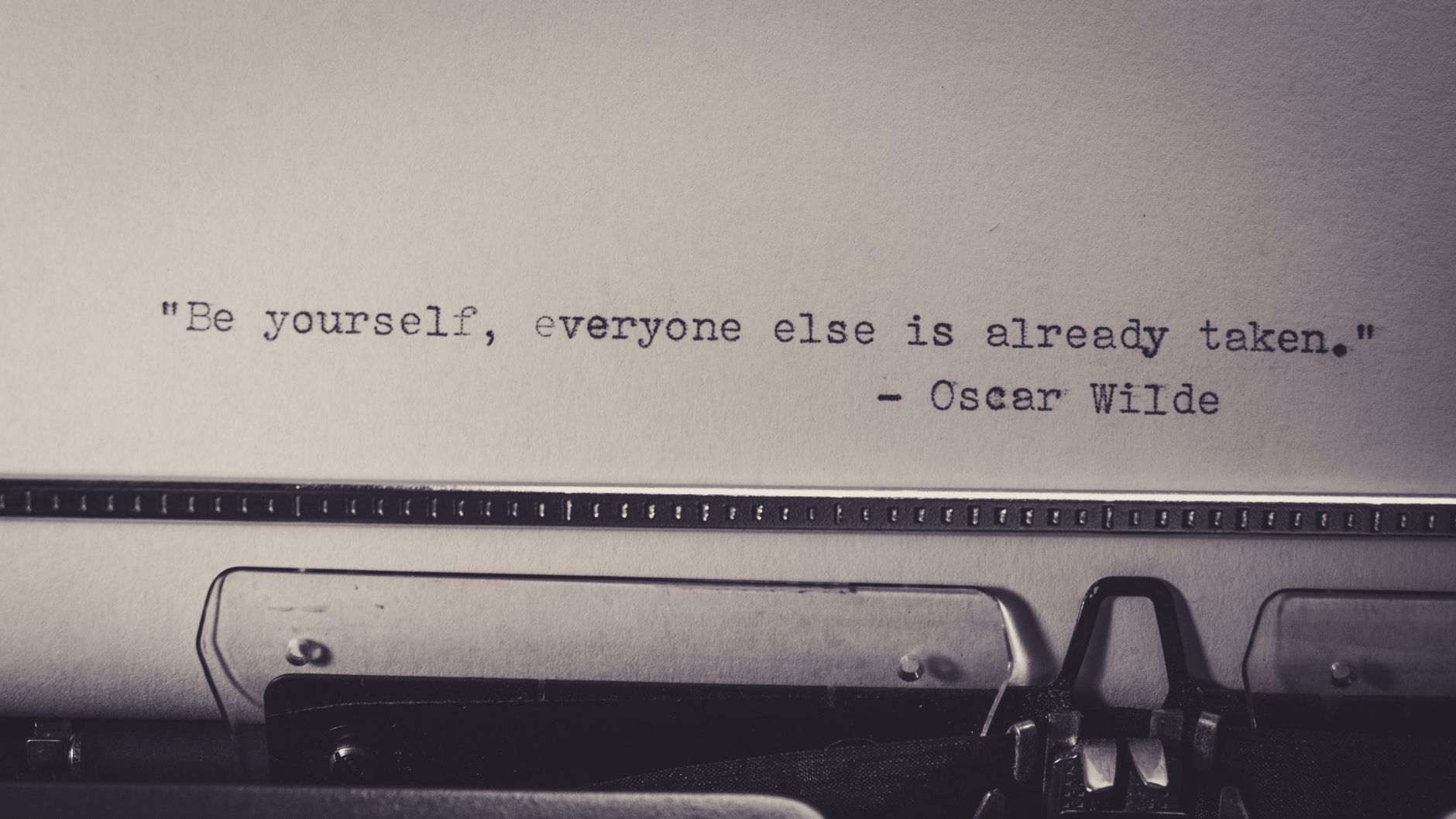
Writing is both a therapeutic activity and a clarifying one. Through discussing your thoughts and feelings and then putting something in writing (rough writing) you can begin to gain more insight into your own perspectives, values and beliefs. This can help you to see where certain idea(l)s come from and even help to build self-confidence.