If you are wondering what Drama Therapy is, welcome!
In brief, Drama therapy is a versatile therapeutic discipline which generally focuses on several creative processes to achieve a therapeutic outcome. The creative processes draw from theatre exercises to include embodiment, projection, story, role, metaphor, performance and ‘witnessing’ to provide the context for creatively engaging in the expression of feelings and catharsis. Invitations to create may range from working with metaphor and story, to engaged role play or dramatic enactment, creative and/or reflective writing exercises, and other balancing energetic interactive or reflective and meditative exercises which are invitations to explore and never prescriptive or mandatory to engage with.
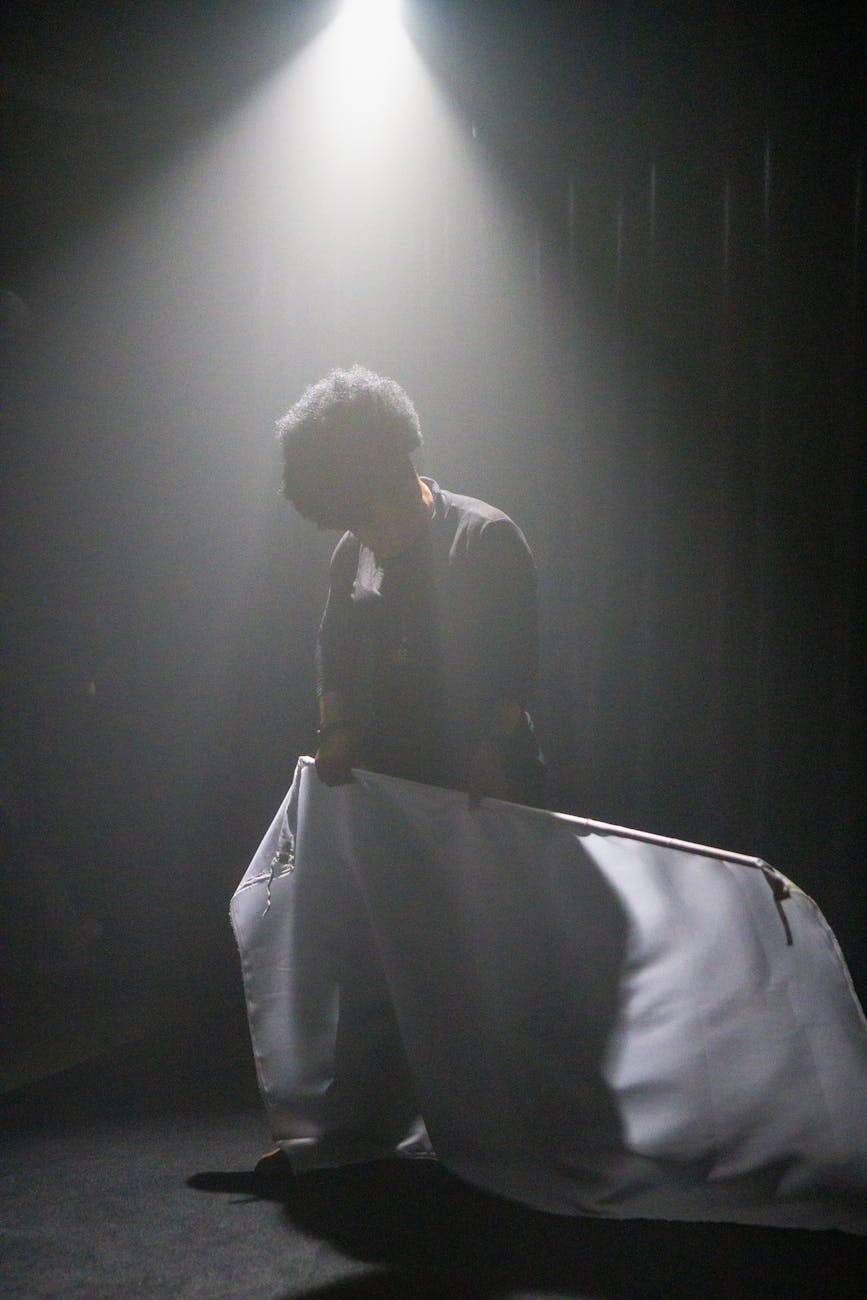
Drama therapy is known as a gentle method for exploring and addressing trauma or other difficulties affecting personal expression. It can be used for self-exploration leading to gains in empathy, ‘role-exploration’, and ‘role-taking’ (more on this here).
Wondering what might happen in an individual session with a trained Drama Therapist or how its different from other types of therapy?
You may be invited to talk or tell your story and you may be invited to interact in a more embodied way (the body is a wealth of information into your lived experiences!). You may find yourself reflecting on what authentic emotional expression feels like for you in a supported space and exploring what blocks you may have to full emotional expression.

A drama therapist might invite you to use objects, drawings or free movement to share your feelings or relationship dynamics which helps you as the client to see what is happening inside of yourself and in your relationships from outside of yourself in a more ‘distanced’ way.
Is Drama Therapy a Psychotherapy modality?
The short answer is that Drama Therapy is an experiential, active/ embodied, and narrative form of psychotherapy. A longer answer is that Drama Therapy is actually its own integrative discipline within the framework of the Creative Arts Therapies (more on that later). Drama Therapists often have a background in psychology in a addition to extensive theatre or alternative theatre study and/or are experienced through work or volunteered in a helping capacity. In a Masters program or equivalent, Drama Therapists complete a specialized training program which includes studying and practicing counselling skills in coursework, through internship components both alone and with co-therapists and usually with both individual clients and with groups prior to becoming fully licensed. Drama Therapists may be classified as Psychotherapists and/or Counsellors or Social Workers and/or may be classified under Naturopathy or Art(s) Therapy depending on provincial (or world-wide) regulations. In Canada there is currently only one recognized training program for Drama Therapists (Concordia University’s Creative Arts Therapies MA program: Drama Therapy Option in Montreal, Quebec)*. Drama Therapy can also be practiced outside the context of Psychotherapy and Counselling such as in community focused spaces.
Alternative options for Drama Therapy trainings outside Canada
- Training programs are also available in the US, UK, South Africa, Lebanon, Switzerland and Italy. Alternative track may also be an option for some individuals to complete training with a recognized board certified Drama Therapist.

Who is Drama Therapy for?
Drama Therapy can be used with groups, dyads, and individually. Clients may range in ages across the lifespan from very young to much older in addition to having a range of support needs from ‘no support needed’ to ‘higher supports needed’. As with any therapy service support, it will depend on the practitioners training, experience and competence with different ages and experience with issues that clients are looking to explore or resolve in sessions.
Check back soon for more info on Drama Therapy!
 Think Joy Drama Therapy