
How the Creative Arts Therapies could support you in your quest for love.

If you have ever wondered: ” will I ever find love?” you are not alone.
The Creative Arts Therapies offer an alternative therapy route to exploring identity, relationships, and attachment styles and how this relates to self-worth and your core values.
Identity
Your identity is what makes you YOU.

Have you ever wondered how humans become so nuanced?
You may have heard this idea that you need to have 2 parents/ancestors [ or 1 and some assistance ], 4 grandparents, 8 great-grandparents, 16 great-great grandparents. In your lifetime, you might have had a direct influence from your parents and grandparents, and possibly great-grandparents. Most likely, you had contact with at least one parent, though there are many people without that direct experience due to varying life circumstances.

Regardless, these direct ancestors and the multitude of those that came before them, had an influence on your DNA, and hypothetically speaking, you’ve inherited biological legacies relating to the life experiences that they encountered. Some of these may be gifts, and others may feel like burdens.
Additionally, geographical or ethnocultural traditions (may) guide or have guided your current or past behaviors and social interactions. They may have pre-determined various roles available to you based on the valued factors of the communities you belonged to or interests you pursued.
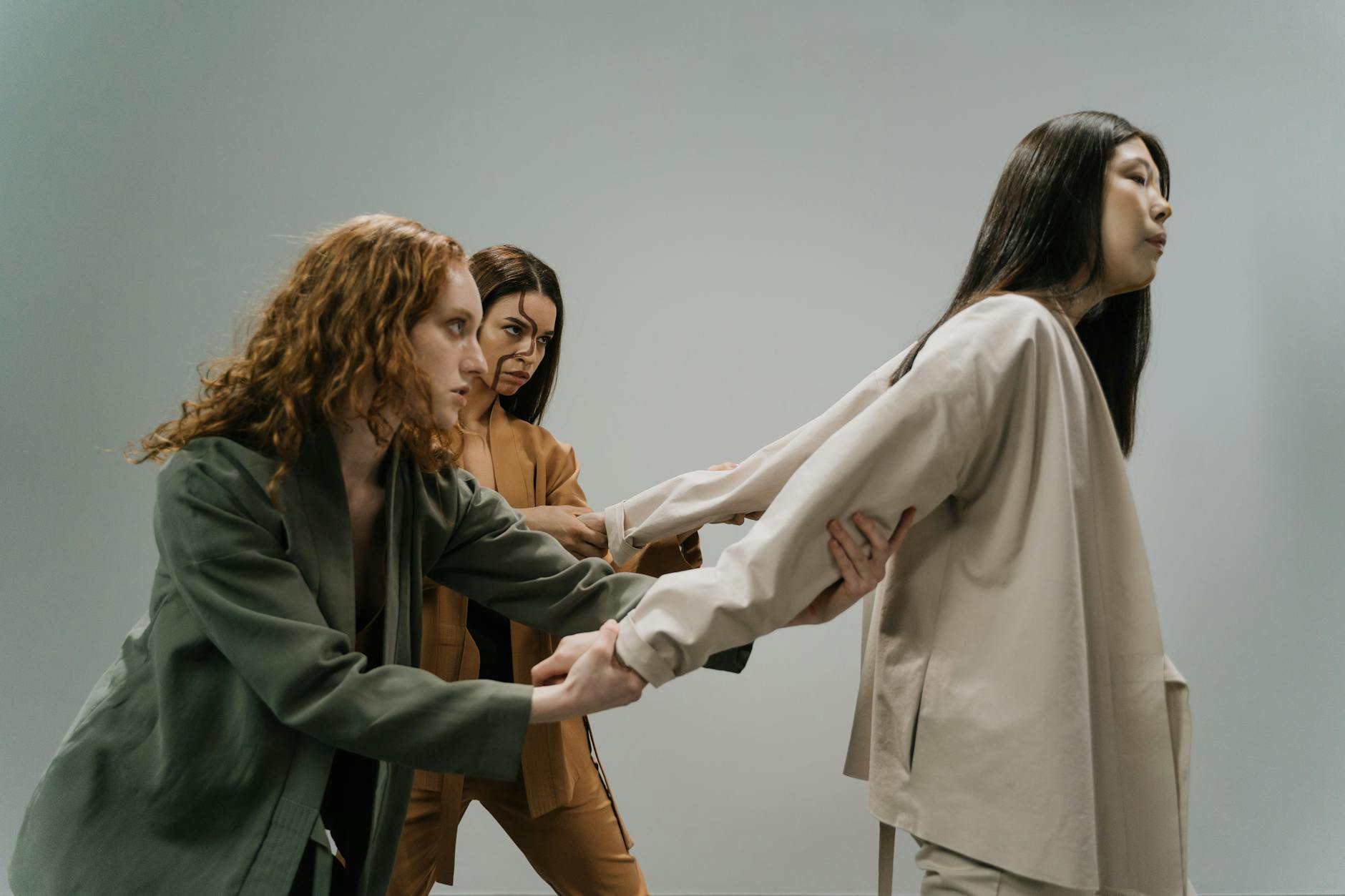
You have probably had teachers, mentors, friends, and you may have had co-workers, romantic partners and/or communities which influenced the way that you now exist in the world.
Drama Therapy for Role and Identity Exploration
Role Theory Method, developed by Robert Landy, is a technique often used in Drama Therapy practice. When a Drama Therapist is employing Role Theory in a session with a client, it might look like verbally exploring roles that you may hold, desire to hold, feel are blocking you, have no connection to your experiences thus far, or who might guide you. Exploring roles in this way helps to bring into view your values, beliefs, and the unique connections that you have made to certain roles.

In a Drama Therapy session, you may be invited to explore roles in action. This will depend on a variety of factors including your comfort level, the stage and level of therapeutic work that is occurring and the training of the facilitator. This can add a somatic component to the work, essentially, to get ‘deeper’ into the work, a client may be invited to create or engage in vignettes, monologues, dialogues and so on in ‘character’ or through a role they explore. This ‘Dramatic’ portion of the therapy might help the person to imagine itself in that type of role which may help an individual prepare the body and mind for a future role. If the role being explored is one that carries meaning already, this enactment process might help to release emotions linked with certain role realities, archetypes or guide figures encountered or desired throughout ones life.

Enjoy this content? Subscribe to blog posts.
Looking for Pt. 1 of this series? Check here.
Disclaimer: Blog posts such as this one are not a replacement for therapy and should not be considered advice for a medical or mental health condition that needs monitoring. The opinions expressed are those of the writer and do not speak to anyone else’s individual situation.
More info:
Role Theory (instagram video explanation)
Drama Therapy (Positive Psychology link)
Pt. 3 coming soon…
 Think Joy Drama Therapy
Leave a reply to Will I Ever Find Love? Pt. 1 – Think Joy Drama Therapy Cancel reply