Drama Therapy and Poetry Therapy are types of Narrative and Experiential Psychotherapy. In combination with talk therapy, an experiential (you might be invited to do or try a dramatic or active activity) component may be used in Drama Therapy sessions.
Viewed through a Narrative therapy lens, ‘the problem is the problem’ so these types of therapies help to externalize issues.

How Talk is Used in Sessions
The talk portion of the session may be used to set up an activity or to process an experiential component (or both) or may be the main method used in sessions similar to other types of therapy. It will depend on how comfortable you are with using your body for expression and also what the goal of therapy is for you. The goal might be to engage more in sessions somatically and so Drama Therapy might look more ‘dramatic’ for some or all of a session. It will depend on the reason that you are seeking therapy at this time and people can be interested in Drama Therapy and Poetry Therapy for a variety of reasons.

How Drama Therapy and ‘Play’ is Used in Sessions
Drama Therapists may also be further trained in play-based therapy for children and teens.
With younger children, a non-directive play therapy approach may be favoured. You might have heard about the benefits of child-centred play therapy for young children. It can be useful when working with non-verbal or selectively mute individuals as it is inclusive of non-verbal communication methods to help facilitate the therapeutic work in sessions.

Allowing children to use toys and constructed narratives holds the story of struggle out to be witnessed, engaged with and reorganized if needed. At ages 8+ children may begin to take more notice of social cues, depending on developmental capacity, and might need more structured or directed creative or interactive activities used alongside discussion. Each person is an individual, however using Drama and Play in sessions can be a flexible way to meet clients where they are at.
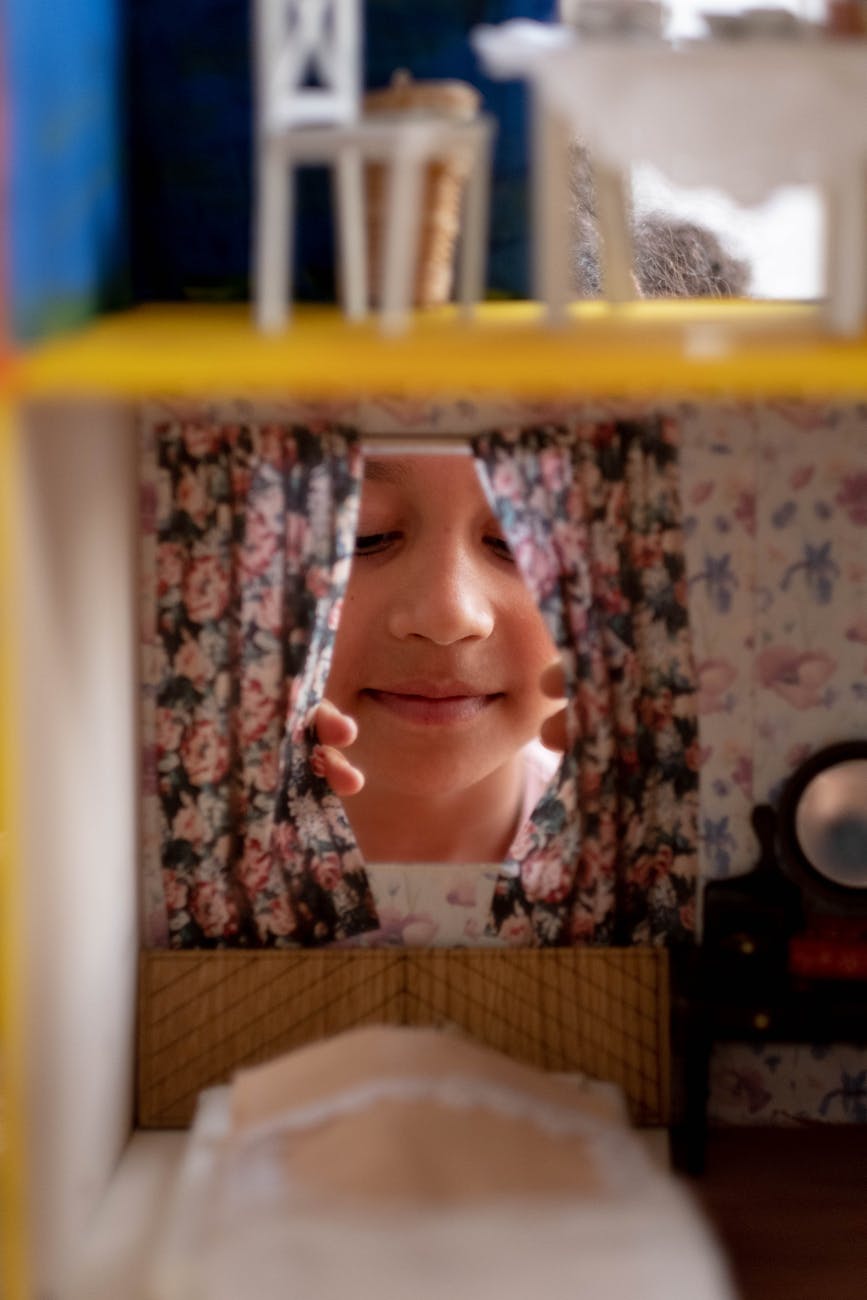
A key component of Drama Therapy work is it’s implicit exploration of the body-mind connection. This assists the integration of feelings and insights through a process of externalizing experiences outside the body through creative means where they can be reflected upon and reintegrated softly.
This process can be cathartic, as when the body experiences the release of tension through creative expression of thoughts, feelings, and ideas.

One thing that is unique when using play and drama in sessions is the use of setting ‘boundaries’ or ‘containment’ around dramatic play in session. Prior to ‘play’ or ‘dramatic play’ clients are invited to invoke the role in some way (jump through a hoop etc) and equally to de-role in some way afterwards to ‘contain’ the experience of being in the role into something which might be discussed and reflected on later.
Teens
Teens may benefit from Drama Therapy and use it to tell their own stories through character projection (drawing from their experience and understanding of the world so far), engage with metaphors, and/or play with roles or character exploration.

You might be working with a Drama Therapist in session and they may invite you to engage somatically in some shape or form, whether its through the improvisation of a dramatic scene based on prompts or using a pen or pencil on paper to express an idea in that way. In either case, you may be invited to “do or try” experiential activities (dramatic play or speech, reading and writing, drawing and painting, dancing or listening to music), and it’s always optional!
Adults
If you are an adult, engaging in play can be beneficial to your therapeutic goals. Play helps to improve mental flexibility, mood and feelings of well-being.

Drama Therapy, with its use of creative expression as a ‘placeholder’ has a unique ability to engage with trauma narratives in a way which encourages safety. In a Drama Therapy session this might look like how one may act out improvised fiction or life-based experiences. This can help clients to engage with repairing narratives or have new experiences, and in a therapy session clients/participants have creative control, which can include’ slowing down’ scenes, repeating actions, and slowly transforming an idea or difficulty into a thing of beauty through art, music, acting, creative writing.
Groups
In both Poetry Therapy and Drama Therapy facilitators work with individuals and are likely experienced running therapy groups. Attending Creative Arts Therapies groups such as Poetry Therapy and/ or Drama Therapy groups have a number of benefits including providing a sense of belonging and being understood in a community context, having a place to feel welcomed and heard, and experiencing a feeling of well-being amoung others post-exploration of expression (creative or verbal).
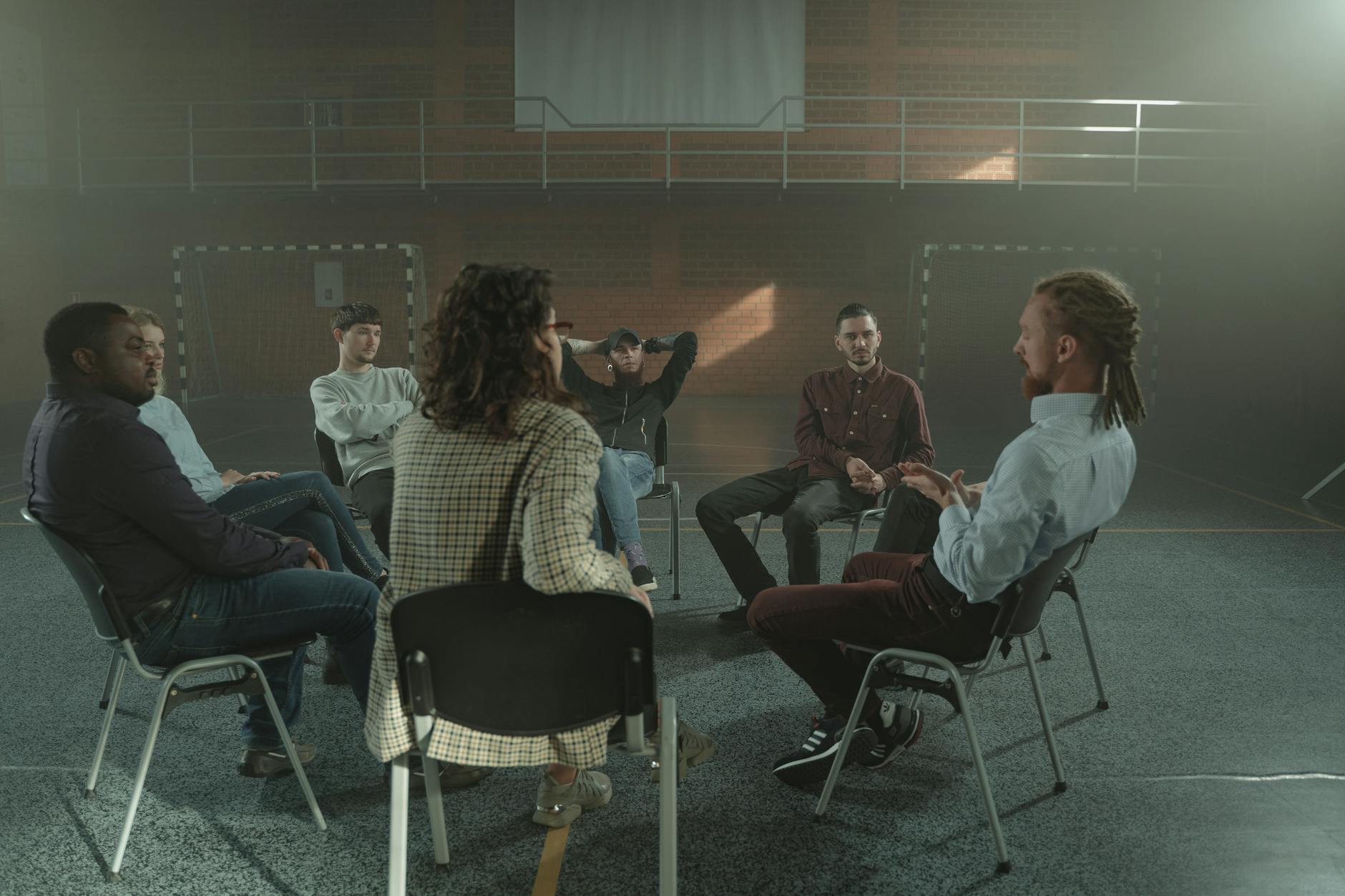
Though groups may feel like vulnerable places to share, group facilitators are trained in focusing on group cohesiveness, finding ways to ease or work through tensions and/or to find creative solutions to conflicts or imbalances if they arise.

Groups can often mimic small communities, so interpersonal issues can often be gradually worked on in a group setting as they arise (Do you often find yourself ghosting others because social interactions are awkward? Do you feel that you over commit or are the first one to volunteer (because someone’s got to do it!) Are you usually the quiet one in a group?

The process of joining a group may include: a brief interview- to name any goals; to meet the facilitator and for them to meet you; and to ask any questions you have and determine if the group is right for you at this time. Some people may benefit from taking individual therapy alongside or instead of group therapy.
Poetry Therapy
In a Poetry Therapy session, or when using poetry in an individual psychotherapy session, the therapist (or sometimes the client) will introduce text, poetry, prose, lyrics or story into the session.
Usually there is a theme, topic or commonality in a group and the text used might evolve around that. Working with a group can be used preventatively (contributing to general well-being) or in response to symptoms (ex. symptoms relating to depression or anxiety, grief and loss in different forms, parenting, caregiving, or learning to attune to joy to name a few).
The client or group engages with text through reading, exploring personal links and feelings and responding to creative prompts through speaking and writing.

In a Poetry Therapy session clients might feel that a shared text contains universal knowledge that speaks to an experience that they otherwise don’t have words to. Creating a poem or piece of writing in response to a creative writing prompt also allows clients to reframe narratives. Having their insights witnessed by others who have similar stories can be deeply validating. Writing may feel like a more comfortable means of expression, which can feel safer in a group as sharing is always optional.
Teens
Poetry Therapy has often been used with teens as it gives them a chance to express themselves. Some Poetry Therapists employ “Action techniques” into sessions (often overlapping with Drama Therapy).
Adults
Poetry Therapy is an accessible method of working with adults of all ages, including older adults. Adults who may not consider themselves to be creative writers, may find that poetry therapy sessions can lead to more engagement in meaningful conversations around values, beliefs and bring about new perspectives in addition to being a contained way to engage with creativity (which makes it ideal for peer groups). It can be an engaging way to explore ‘life review’ or key transitions in life.
Groups
Poetry Therapy can be equally powerful online as it is in person. In person or online during a session or group, participants might be given 5-10 minutes of session for writing time in response to prompts, and then invited to share some of what they wrote, or about the process of writing or trying to write and what it brought up in response to the prompts of poetry, prose, or lyrics for example. Since most of the creative process is experienced individually through writing, Poetry Therapy might be suitable for those who have trouble opening up or used in a peer group.

In the group setting, whether you write a poem, a piece of text or not, there are additional benefits relating to the experience of being in a consistent supportive group, sharing ideas and personal reflections with others inspired by commonalities found through poems, text, lyrics, and prose.
Poetry Therapy may invite authentic verbal or written expression and improve mental clarity on specific topics through writing prompts and larger discussions in a group which invite participants to externalize inner truths through engaging honestly to the material presented (ex. a poem).
So How Do Drama Therapy and Poetry Therapy Aid in the Processing of Trauma Narratives?
We are always experiencing our lives through the senses in our bodies- alongside our mind.
When we engage somatically or in narrative form using the body’s knowledge, we tap into alternative co-existing perspectives of our emotional understanding that is felt in the body. In doing so, we can also prepare the body to release stored trauma that might be pre-verbal or felt.

For example when an overwhelming thing happens to you either by surprise (acute trauma) or chronically as can be the case with dis/ability and microaggressions, the body reacts. This can be seen in the face by wincing, the body tensing, breath being pulled in, even using our defences to fight (verbally or physically), flight/ fleeing the situation (or other forms of escapism) as a means to survive or cope with implicit experience.
In the Creative Arts Therapies, the focus is on what might be therapeutic. If you have lived through chronic or acute trauma, different creative arts therapies can benefit you in different ways, all can help bring a sense of flow, relaxation and release to the body through the experience of creative expression and the creative process.
For more on Drama Therapy:
https://positivepsychology.com/drama-therapy/
For more on Poetry Therapy: https://www.psychologytoday.com/ca/blog/the-empowerment-diary/202104/the-power-poetry-therapy/
The benefits of play for all ages: https://nifplay.org/play-for-you/make-play-part-of-an-adult-life/
 Think Joy Drama Therapy
Leave a comment